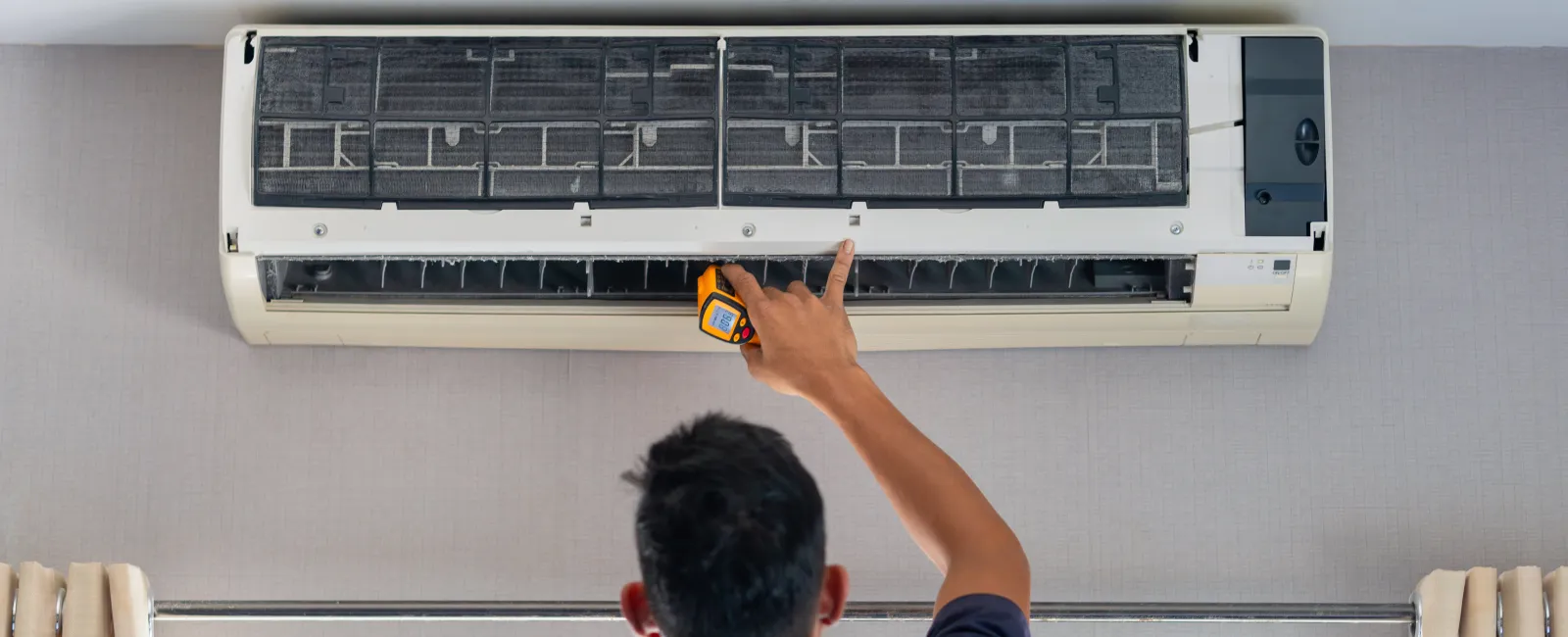
Georgia winters are mild compared to much of the country, but that doesn't mean your furnace can afford to sit unused all summer and spring into action perfectly on the first cold night of the year. Furnace failures in Gwinnett County tend to cluster right when they're most inconvenient — the first cold snap in November, a hard freeze in January, or an unexpected cold week in late February. The good news is that most furnace problems are preventable. A little preparation in the fall goes a long way toward a trouble-free heating season.
Here's a practical checklist for getting your furnace ready for winter, along with the signs that tell you it's time to call a professional before the cold arrives.
1. Replace Your Air Filter
This is the single easiest and highest-impact thing you can do for your furnace. A clogged filter restricts airflow, forces the system to work harder, reduces efficiency, and can cause the heat exchanger to overheat — which is both a performance and safety issue. Check your filter before heating season starts. If it's grey and dirty, replace it. Most standard 1-inch filters should be changed every 1-3 months. If you have a thicker 4-inch filter, it may last longer, but check it before the season starts regardless.
2. Test Your Thermostat Before It Gets Cold
Don't wait for the first cold night to find out your thermostat isn't communicating with your furnace. Set the thermostat to Heat mode and raise the temperature set point above room temperature. Your furnace should kick on within a few minutes. If it doesn't, you may have a thermostat issue, a tripped circuit breaker, or a problem with the furnace itself. Catching this in October is much less stressful than discovering it in December.
If you still have an older manual thermostat, consider upgrading to a programmable or smart thermostat. It'll give you better control over your comfort and energy use and can often save measurable money on heating bills over the course of a season.
3. Clear the Area Around Your Furnace
Your furnace needs adequate clearance to operate safely — especially gas furnaces, which require proper airflow for combustion and venting. Check that the space around your furnace is free of stored items, boxes, paint cans, or anything flammable. This is also a good time to make sure your air return vents throughout the home aren't blocked by furniture or rugs, which can restrict airflow and reduce heating performance.
4. Check Your Vents and Registers
Walk through your home and make sure all supply vents are open and unobstructed. It's a common misconception that closing vents in unused rooms saves energy — in reality, it creates pressure imbalances in the duct system that make your furnace work harder and can contribute to duct leaks over time. Check that your return air vents are also clear. Good airflow is essential for efficient, even heating.
5. Listen and Smell When the System First Runs
The first time you run your furnace in the fall, you may notice a brief burning smell as dust that settled on the heat exchanger burns off. This is normal and should clear within a few minutes. What's not normal: a persistent burning smell, a smell of rotten eggs or sulfur (which can indicate a gas leak), or loud banging, popping, rattling, or squealing when the system starts. Any of these warrant a call to a professional before you continue running the system.
6. Schedule a Professional Furnace Tune-Up
The items above are things any homeowner can do. But a professional maintenance visit goes much deeper. At Henson Mechanical Heating Air and Plumbing, our furnace tune-up includes inspection of the heat exchanger for cracks, testing and cleaning of the burners, checking gas pressure, testing ignition components, inspecting the flue and venting for proper draft and any blockages, checking all electrical connections and safety controls, and verifying that the system is operating within manufacturer specifications.
The heat exchanger inspection is particularly important for gas furnaces. A cracked heat exchanger can allow combustion gases — including carbon monoxide — to enter your living space. This is a serious safety issue that has no visible warning signs without proper inspection. It's one of the most important reasons to have your gas furnace professionally serviced every year.
7. Test Your Carbon Monoxide Detectors
Before heating season begins, test every carbon monoxide detector in your home. Replace batteries if needed. If your detectors are older than 5-7 years, replace them — CO detectors have a limited lifespan and may not alert reliably when they age. Carbon monoxide is colorless and odorless, and the risk increases any time combustion appliances are running. This is a non-negotiable step for any home with a gas furnace.
Signs Your Furnace May Need More Than Routine Maintenance
If your furnace is 15 years old or older, or if you've been noticing any of the following issues, fall is the right time to have a technician assess whether repair or replacement makes more sense before the heating season begins.
Watch for: uneven heating throughout the home, a furnace that cycles on and off frequently without reaching the set temperature, unusually high heating bills compared to previous winters, yellow or flickering pilot light on an older furnace (it should be blue), or a system that simply struggles to keep the home comfortable during cold weather.
Henson Mechanical Heating Air and Plumbing installs Daikin and Carrier systems and offers financing options to make system replacement manageable if it comes to that. We'll give you a straight assessment of your system's condition and what your options are — no pressure, no upsell.
Schedule Your Fall Furnace Service in Gwinnett County
Henson Mechanical Heating Air and Plumbing serves homeowners throughout Loganville, Lawrenceville, Duluth, Conyers, Covington, Lithonia, Stone Mountain, Decatur, Oxford, and all of Gwinnett County. We provide 24/7 emergency heating service when you need it — but the goal is to make sure you never have to use it. Getting your furnace serviced before heating season is the best insurance against a cold-night breakdown.
Call us today or schedule your furnace tune-up online. Fall fills up fast — don't wait until the first cold snap to find out there's a problem.